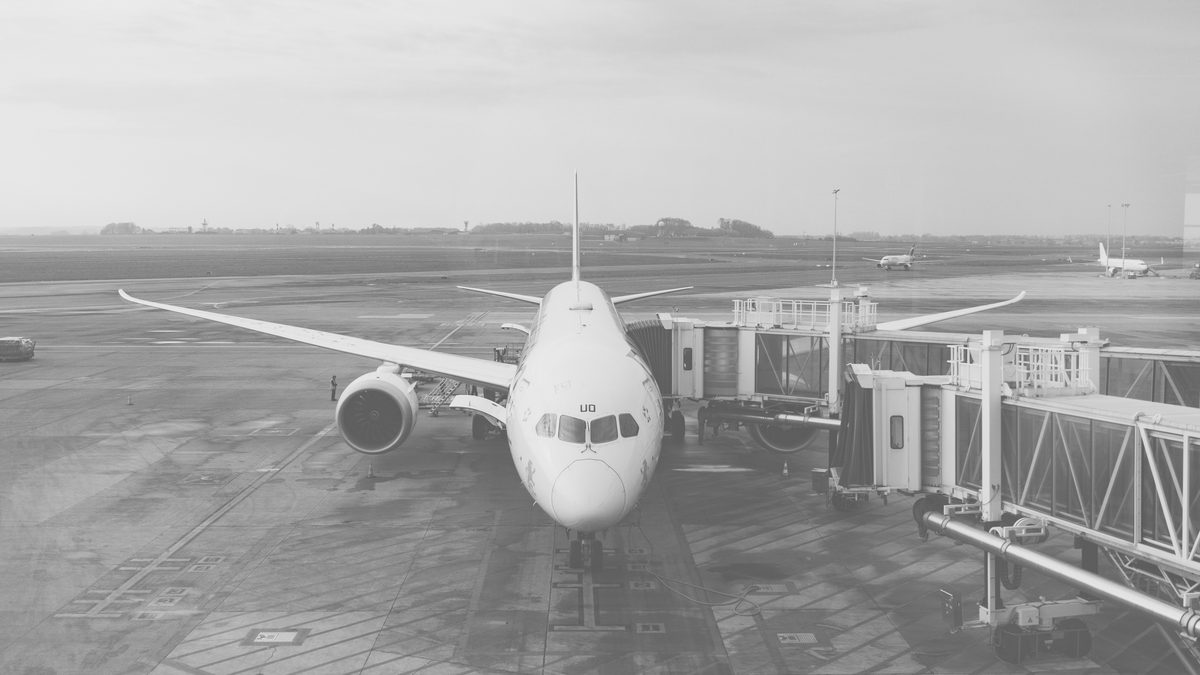
Digital ports boost traveler efficiency and safety
Digital ports boost traveler efficiency and safety.
That is the plain answer, and it is the one that matters most when a port day is packed with motion and noise. When ports use more digital tools, people tend to move through check-in, screening, and boarding with less delay. Safety can improve too, because staff get better control over who enters secure areas and how crowds are handled.
I keep coming back to the same simple truth. A port is not just a place where ships stop. It is also a working gate, and gates work better when they can sort people quickly and clearly. That is where digital systems earn their keep.
A lot of the change comes from biometrics, which is just a system that uses a face or other body trait to confirm identity. In some ports, travelers may be matched against a passport or visa photo through secure government systems. That can cut down on manual checks and speed the line a little, which is welcome when hundreds or thousands of people are trying to leave at once.
Digital ports also use smarter gates, better cameras, and linked access systems. These tools can help staff see where a crowd is building, spot a gap in security, and keep restricted areas closed to the wrong people. The point is not flash. It is control, and good control can keep a terminal calmer.
Efficiency is the part travelers feel first. Less waiting at the terminal means less standing, less shuffling bags, and less of that dull worry about missing a shuttle or losing time ashore. When a port can process people faster, the whole day feels less brittle. That matters even more for older travelers, who may not want a long chain of lines before lunch has even been found.
Safety is the other half of the story, and it is not a small half. Digital systems can help ports track who is in the terminal, limit access to work zones, and improve the view of what is happening on the ground. Some port planners also use data tools to support emergency response and reduce mix-ups when crowds are moving in different directions.
There is another quiet gain that does not always make the headline. Better digital control can also help port staff and security teams coordinate with each other. When a port can share information faster, it is easier to direct people, open the right lanes, and keep the process from turning into one long human traffic jam. The result is not perfect. Travel rarely is. But it is usually cleaner.
I do think one caution deserves a clear place here. Digital ports are only as good as the systems behind them. That means privacy rules, cyber safety, and data handling matter a great deal. A slick terminal with weak data protection is still a problem, just with brighter screens.
There is also the human side. Not every traveler is comfortable with facial scans or app-based check-in. Some people worry about how their data is stored or used. That concern is fair, and it is not going away. Ports that add new tools still need clear signs, plain instructions, and an option for manual help when systems stall or when a traveler needs a slower path.
That last point matters more than it sounds. A digital port should not behave like a maze with Wi-Fi. It should make the day simpler, not colder. If the technology saves time but leaves people confused, then the port has missed the point.
So the short answer stays the same. Digital ports are helping traveler efficiency and safety by speeding identity checks, reducing crowd pressure, and improving security control. The open question is how well each port balances speed with privacy, and how well it keeps a human back-up in place when the machines have a bad day. That is the detail I keep watching.
The best travel tech news is usually not the loudest one. It is the one that quietly trims stress from the day. That is why The Clear Departure fits this moment so well: one calm cruise-planning answer, one timely travel detail, and one small way to make the next trip easier.