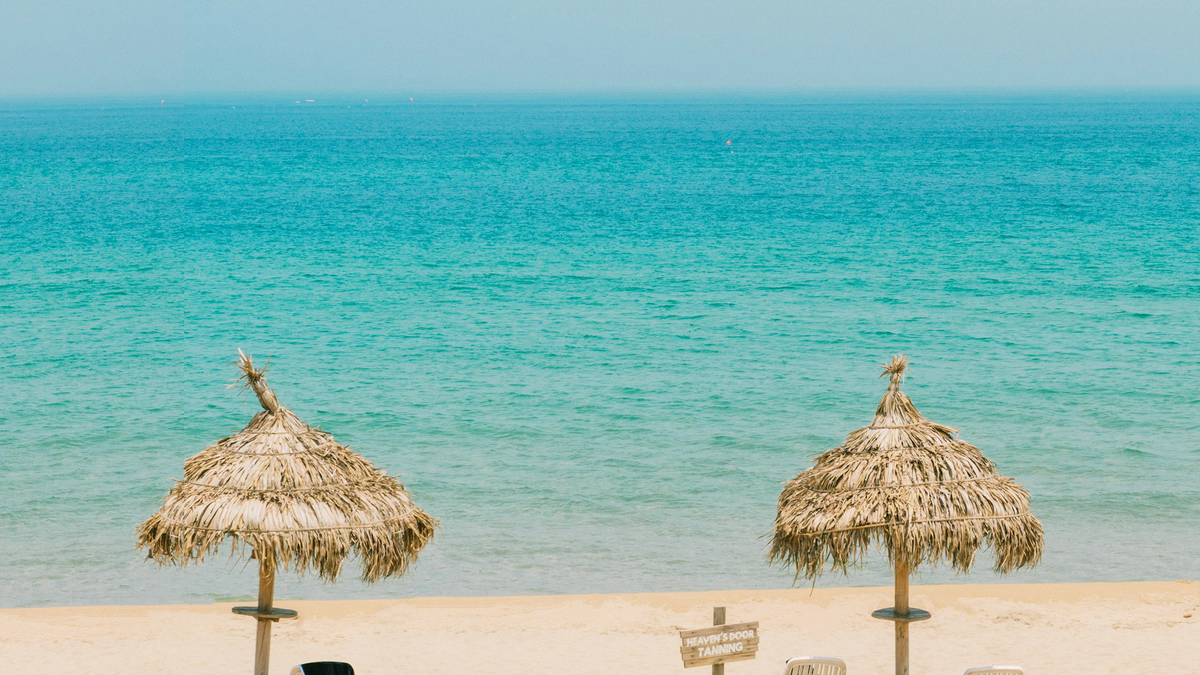
Ports offer 24-hour access to explore nearby attractions.
A cruise port can look simple on a map and still eat a day for breakfast. The real question is not whether the ship stops there. It is how much time the stop gives you, and what that time can actually hold.
That matters because port days are not all the same. Some ships stay a few hours. Some stay longer. Some give a place enough room to breathe, which is where the pleasant surprise lives.
I think of port time as the quiet engine of the whole trip. A port call is the window between gangway and sail-away. It is the part where the ship becomes a base and the shore becomes the event. If that window is too short, a lovely place can turn into a clock-watching sprint.
The first thing to understand is that a cruise port stop is measured in hours, not in wishes. A typical stop can run from about six to twelve hours, with many landing around eight or nine. That sounds generous until you count transit time, security lines, lunch, and the moment when one person in the group says, “Let’s just look at one more street.” That street has a way of becoming the whole afternoon.
Longer port days open more doors. They let a traveler have a slow coffee, visit a museum, walk a market, or sit for a proper meal without checking the watch every five minutes. Shorter calls can still be useful, but they are better for one clear goal. In port, time behaves like luggage. It fills itself fast.
A useful detail hides in the itinerary printout. Cruise-line schedules usually list both arrival and departure times. That is the only honest way to judge a port day. Two cruises can call on the same city and give very different stays. Even two ships from the same line can do that. The name of the port matters less than the hours beside it.
That is why a wish list is only a starting point. Most people do not find every dream stop in one cruise. The better habit is to look for the closest fit. One itinerary may give you the museums. Another may give you the old town. Another may give you enough time to do both badly, which is a common cruise compromise and not a moral failure.
Here is a small example. Say a ship reaches port at 8 a.m. and sails at 5 p.m. That looks like a full day. After breakfast, disembarkation, and the ride into town, the useful time may be shorter than it first appeared. If the ship leaves at 6 p.m., the day feels less pinched. That extra hour can mean one more site, one more sit-down meal, or one less panic attack over the return line. And no one needs a panic attack on vacation. The pool deck already has enough drama.
For travelers who care most about the land side of the trip, port time deserves more attention than cabin decor. A prettier stateroom cannot give back a lost afternoon ashore. The same is true for a flashy title on the itinerary. If a destination is the whole point, the hours in port are the real currency.
There is also a pattern in the type of cruise line. Higher-priced luxury and ultra-luxury sailings often give more time ashore. That does not mean every expensive itinerary is better for every traveler. It does mean the market often rewards longer stays with a higher fare. Even on lines that sit in the same general price range, port hours can differ by several hours. That gap is enough to change the whole feel of a day.
Then there are sea days. A week-long cruise and many longer ones usually include at least one day at sea. On those days, there is no port at all. The ship stays in motion, and the pace changes. Some people love that stretch. They treat it as a rest day or a ship day. Others feel stranded on a floating mall with better views. Both reactions are common, and both are valid.
Sea days matter here because they shape the balance of the trip. If a cruise is built around exploring ashore, too many sea days can leave the traveler hungry for land. If the joy is really the ship itself, then those open-water days become part of the pleasure. A good itinerary knows what job it is trying to do. So does the person booking it.
A special case comes up with repositioning cruises. These are sailings where a ship moves between regions, often across the Atlantic in spring or fall. They usually include several straight days at sea, sometimes five to seven in a row. That kind of voyage can be wonderful for people who like quiet time on board and less appealing to people who want a new stop every morning. It is also a very different kind of deal because the fare may look low before the one-way airfare is added. Travel math has a nasty habit of arriving late.
Port access itself can also shape the day, though not always in the way the brochure suggests. Some ports are close to town. Some are not. The shuttle, taxi, or tender ride can eat into the clock. Tendering means the ship anchors offshore and uses small boats to bring passengers in. It is a normal cruise practice, but it takes time. And time, as ever, is the thing everyone is trying to spend well.
This is why a good port day starts before the ship arrives. The question is simple: what can one full day actually hold? A city with a short stop may fit a single district, a guided walk, or one main museum. A longer stop can handle a slower pace and a second stop after lunch. The more honest the timeline, the less likely the day ends in a trot back to the ship, red-faced and clutching a souvenir bag like it is evidence in a courtroom.
The neat part is that once a traveler learns to read port times, the rest of the itinerary makes more sense. The schedule stops being a list of names and starts becoming a plan with texture. One can see where the trip is generous, where it is rushed, and where it is giving the shore a proper chance to speak.
That is the heart of it. A cruise port is a place where ships stop. It is a block of time. Learn to measure that block, and the whole itinerary becomes clearer than it was before.
The Clear Departure likes that kind of clarity too: one calm cruise-planning answer, one timely travel detail, and one small way to make the next trip easier.